WSU is committed to assisting students from all backgrounds and circumstances in reaching their educational goals. We are proud to offer additional student tools, funding resources, and accommodations for those who need them.
Scholarships
Remember to use our scholarship search tool to find additional scholarships you may qualify for. Not all scholarships are covered by the general scholarship application, and many scholarships are looking for students with relevant life experiences or an interest in social causes.
Undocumented Students
WSU is committed to minimizing any obstacles prospective students may face. While undocumented students have limited eligibility for financial aid, resources are available.
Expand to learn about:
- In-state tuition
- Scholarships
- DACA and Additional Resources
You could qualify for in-state tuition
Undocumented students are eligible to be Washington residents and thus pay in-state tuition! You can qualify to be a Washington resident if you have:
- Lived in the state of Washington for at least one year immediately prior to starting at WSU and,
- Have a US high school diploma, GED, or equivalent.
There are more pathways to Washington State residency. The WSU Registrar’s Office has more information and resources on different residency options for current and future students.
A Washington State residency affidavit is included in the WASFA. If you choose to not fill out a WASFA, you will need to complete and sign a residency affidavit and submit it to the Office of the Registrar to be considered for WSU in-state tuition rates.
Scholarships
WSU invites all students to apply for scholarships. Completing the WSU general scholarship application will enter you into more than 700 scholarship applications awarded through WSU. Be sure to also use our scholarship search tool to find additional scholarship opportunities for non-resident students!
Additional scholarship tools
DACA
On September 5, 2017, the Trump Administration announced an end to the DACA (Deferred Action for Childhood Arrivals) program. This means that if you already have DACA, your work permit will continue to be valid until its expiration date.
Additional Support
Multicultural Student Services
The Multicultural Student Center assists students from all backgrounds.
Learn more about HB-1079 and your rights and resources:

Students with Disabilities
WSU is committed to connecting students from all backgrounds and circumstances to as many funding sources as possible. Please register with WSU Student Accommodations and Disability Resources to ensure you qualify for disability-related scholarships.
Expand to learn about:
- Financial Aid Budget Increases
- Pregnant/Parenting Accommodations
- Service and Support Animals
Budget Increases
Students with disabilities may qualify for an increased Cost of Attendance budget, which may allow Student Financial Services to offer more loans, grants or scholarships. To apply, you must fill out an Academic Year Revision Request with our office, detailing your the specific circumstances. Disability-related reasons to increase the budget may include:
- Medical bills
- Transportation
- Child care
Emergency Funding
Permanent, temporary or situational disabilities can come on suddenly. If you incur unexpected costs during the school year, you may be eligible for emergency funding.
Emergency funding is not limited to costs directly related to a disability. However, the applicable costs must be costs not already accounted for in the Cost of Attendance budget. “Known” costs like tuition cannot be covered by emergency funds.
WSU Student Accommodations and Disabilities Resources
Reasonable accommodations remove or reduce barriers to the university environment, allowing students an equal opportunity to engage in learning. The WSU Access Center offers a variety of accommodations to meet students situations, including housing and academic accommodations.
The WSU Access Center may also be able to provide information on resources available at the university and in the community to help meet access needs that are outside the realm of “reasonable accommodations”. For example, transportation for shopping and dining.
Additional Resources and Accommodations
Pregnant and Parenting
Washington State University (WSU) strives to provide an environment where students are able to work successfully towards graduation, and employees can continue to meaningfully contribute to the workplace, including those students or employees who experience pregnancy, child birth, health conditions related to pregnancy, termination, recovery, and/or the need to care for a newly adopted child or foster child. WSU provides equal access to services, school programs, and extracurricular activities to pregnant and parenting students as they would to any other students. Students experiencing pregnancy or pregnancy-related conditions may contact their campus’s Access Center/Access Services to request reasonable modifications to ensure their equal access. WSU Human Resources Services can assist employees with needs relating to their employment. Human Resources Services also provides information on the Family Medical Leave Act (FMLA), which, in addition to medical leave, may be used for things like the birth of a child, placement of an adopted or foster child, and childcare for children under one year of age.
Service and Support Animals
Washington State University recognizes the importance of, and supports, the work that trained service animals can provide to those with disabilities. The University also supports providing accommodations for emotional support animals to those with a medically – documented need for such animals. Emotional Support Animals (ESAs) – Students and others who reside in University Housing (WSU Residence Halls and WSU apartments) may request an accommodation to allow an ESA. The WSU Access Center and Housing and Residence Life have developed a process to request this type of accommodation. Visit the Access Center and Housing ESA and Service Animal Procedures page for more information.
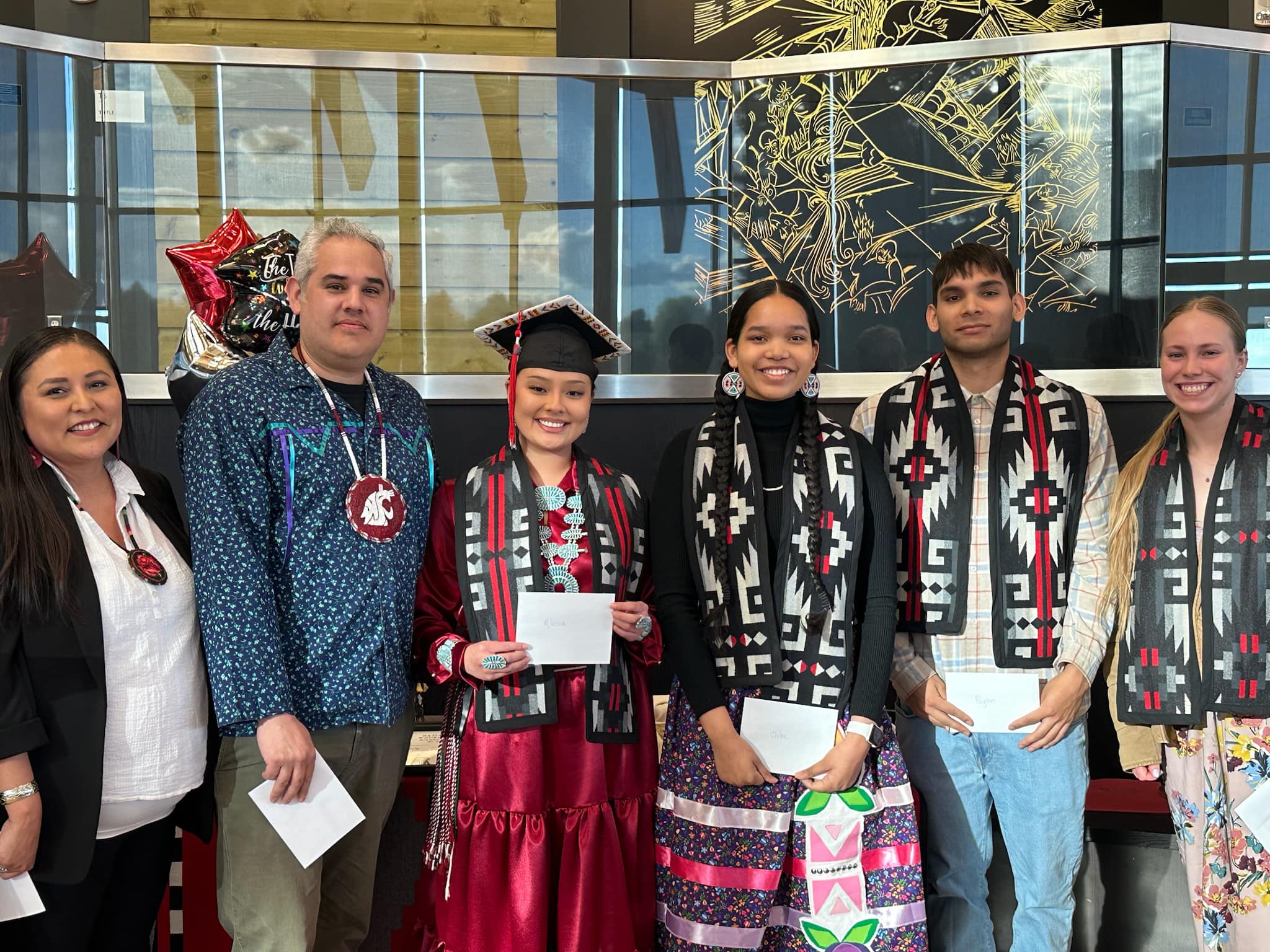
Native American Programs and Resources
Our offices work to increase American Indian student recruitment and retention, and also coordinate with tribes to promote initiatives on campus that benefit Native students and encourage responsible research and interaction with tribes.
Expand to learn about:
- In-state tuition
- Native Cougs Scholarships
- Native American Student Center
We’re Here to Help
WSU Student Financial Services is proud to have a Native American Outreach Coordinator, here to answer any questions you might have about admissions, financial aid, or student life at WSU. We welcome the opportunity to answer your questions, host you on campus, and share what we think are the best things about being a Native Coug!
Proof of tribal enrollment
Please submit your proof of tribal enrollment directly to Student Financial Services so we can ensure you get the most financial aid possible. Proof of tribal enrollment is required for access to WSU scholarships.
WSU Native American Student Center
The WSU Native American Student center strives to meet the educational needs of all students while providing a place for students to meet and interact with one another. Everyone is welcome in this space and can attend any event. We do our best to make a “home away from home.” Join the community to enjoy:
- Cultural and social events
- Computer lab with free printing
- Student advocacy and support
- Safe environment to relax, study, and network!
American Indian Residency Bill
In 1994, the Washington state legislature passed a bill allowing American Indian students who meet the following two conditions to be eligible for in-state tuition at public colleges and universities in the state of Washington.
- Students must have lived in Idaho, Montana, Oregon, or Washington for one year immediately prior to enrolling in college.
- Students must be members of federally-recognized Indian tribes whose traditional tribal boundaries included portions of the state of Washington, or whose tribe was granted reserved lands within the state of Washington.
Example: A Spokane tribal member who lives in Oregon could attend WSU without having to pay out-of-state tuition because they are from a Washington tribe and live in Oregon. Likewise, a Kootenai student from Idaho would also be eligible for in-state tuition because their tribe’s traditional boundaries included territory in Washington.
Eligible Tribes:
- All federally-recognized tribes located within the state of Washington
- Coeur d’Alene Tribe
- Confederated Salish & Kootenai Tribes
- Confederated Tribes of the Umatilla Indian Reservation
- Confederated Tribes of Warm Springs
- Kootenai Tribe of Idaho
- Nez Perce Tribe
Please send proof of tribal enrollment to the WSU Registrar’s Office to receive in-state tuition.
Additional Scholarships
Be sure to visit our general scholarships page to fill out the WSU General Scholarship Application as well as any individual scholarship applications you find using our scholarships search tool.
As a Native Coug, you may also be eligible for additional outside scholarship funding from funds that specifically support tribally-enrolled Native American students. Visit WSU Native American Programs for a full list of these outside resources.
Veterans
Both student veterans and students of veteran parents have unique options regarding financial aid.
Expand to learn about:
- Veterans tuition waivers
- Military resident tuition
- WSU veteran support services
Veterans and the children of veterans
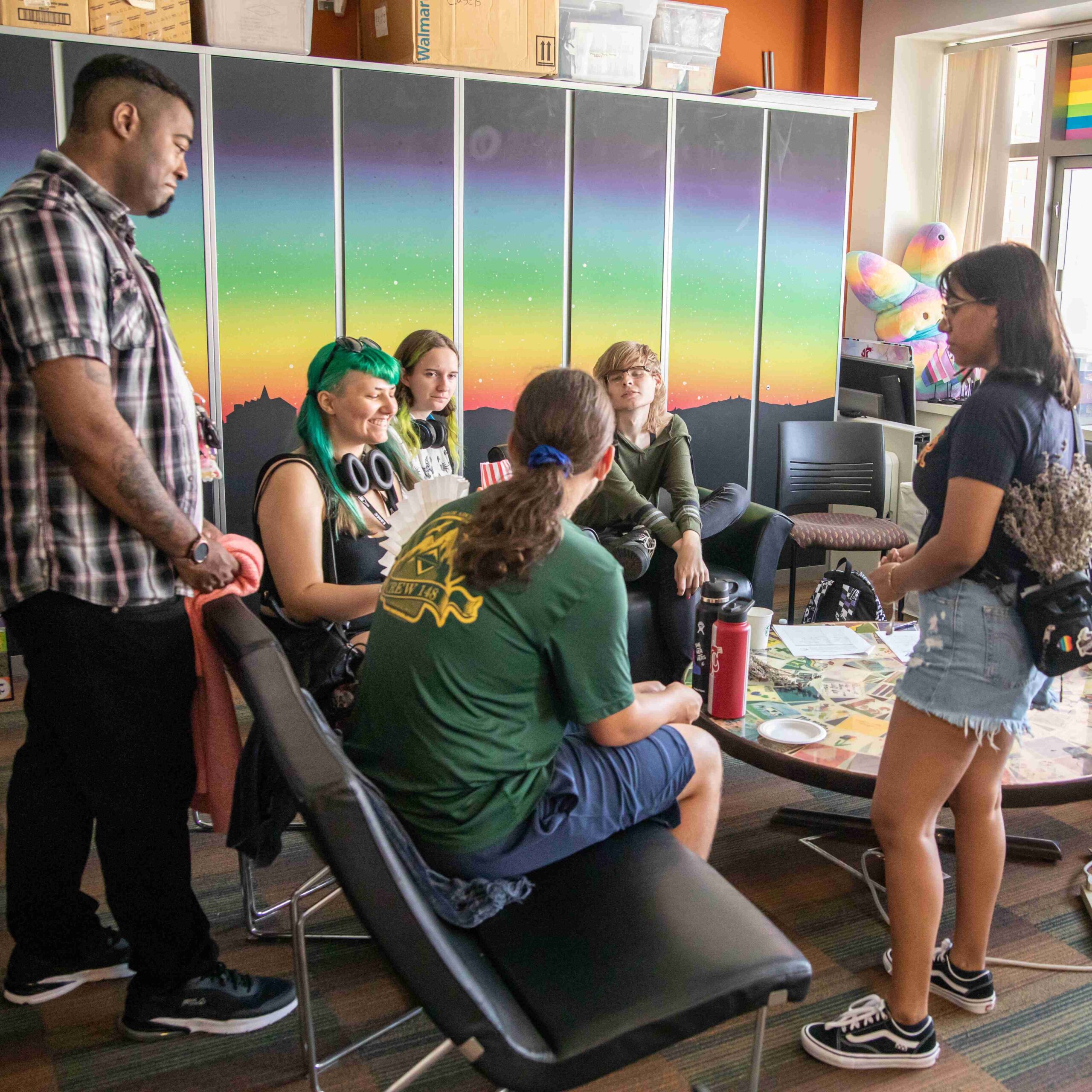
LGBTQ+ Students
WSU recognizes the unique academic and financial hurdles LGBTQ+ students may face, and Student Financial Services is dedicated to helping all our students access the resources they need to succeed.
Expand to learn about:
- Name discrepancies and financial aid
- WSU LGBTQ+ Center
- FAFSA dependency override
Name Discrepancies
When completing the FAFSA, you must enter your name as it appears on your Social Security card, even if you have a chosen name within the system at WSU. If you have had your name legally changed, you will need to have your Social Security card updated. Please contact the Social Security Administration to do this.
Dependency Status & Overrides
Dependency status is determined by answers given on the FAFSA. For dependent students with unusual circumstances, a dependency override may be possible through a dependency status appeal. This decision is a personal judgement made by a financial aid administrator in accordance with federal policy.
The following conditions, singly or in combination, do not qualify as unusual circumstances meriting a dependency override:
- Parents refuse to contribute to the student’s education
- Parents are unwilling to provide information on the FAFSA or for verification
- Parents do not claim the student as a dependent for income tax purposes
- Student demonstrates total self-sufficiency
The following circumstances may justify a dependency override:
- Abandonment by parents
- An abusive family environment that threatens the student’s health or safety
- The student being unable to locate their parents
Each case is different and dependent on the situation and information provided. An LGBTQ+ student being rejected by their family due to their gender identity/expression or sexual/romantic orientation could be grounds for a dependency override.
LGBTQ+ Center
The WSU LGBTQ+ Student Center serves and supports all students, faculty, staff, and alumnx throughout the Washington State University system by providing resources, fostering community building, and relevant initiatives.
Visit their website (or stop by the Compton Union Building) to make connections, relax, find academic resources and more.
Hours: Monday – Thursday (8 a.m. – 9 p.m.) Friday (8 a.m. – 5 p.m.)
Location: CUB 401
Resources for Academic Success
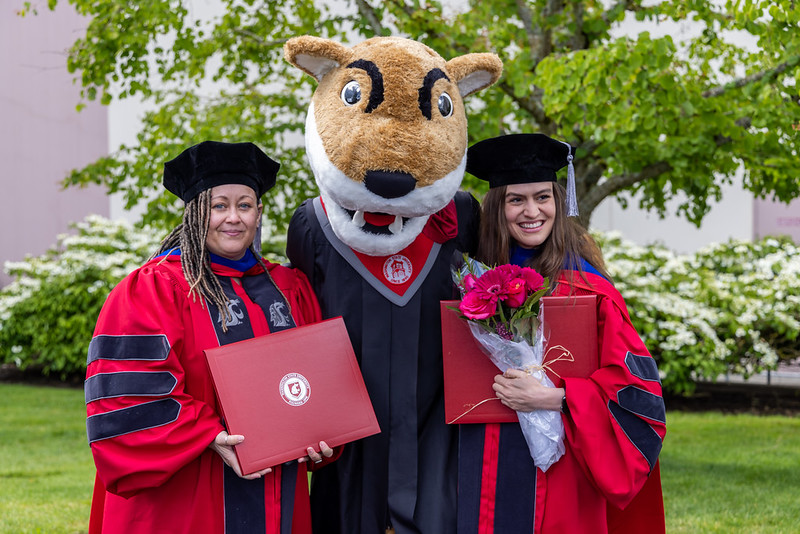
The Cougar Success Program
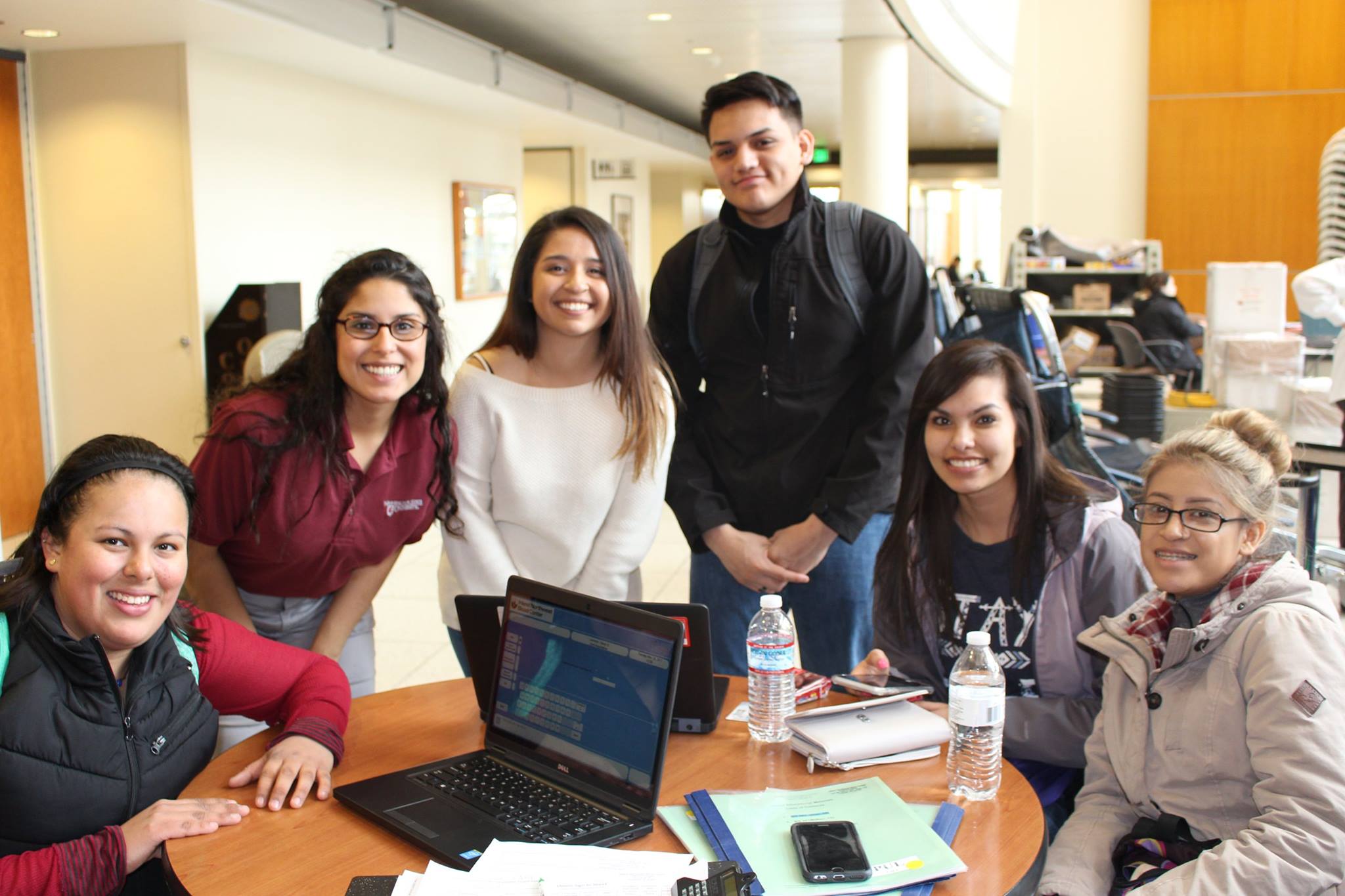
College Assistance Migrant Program
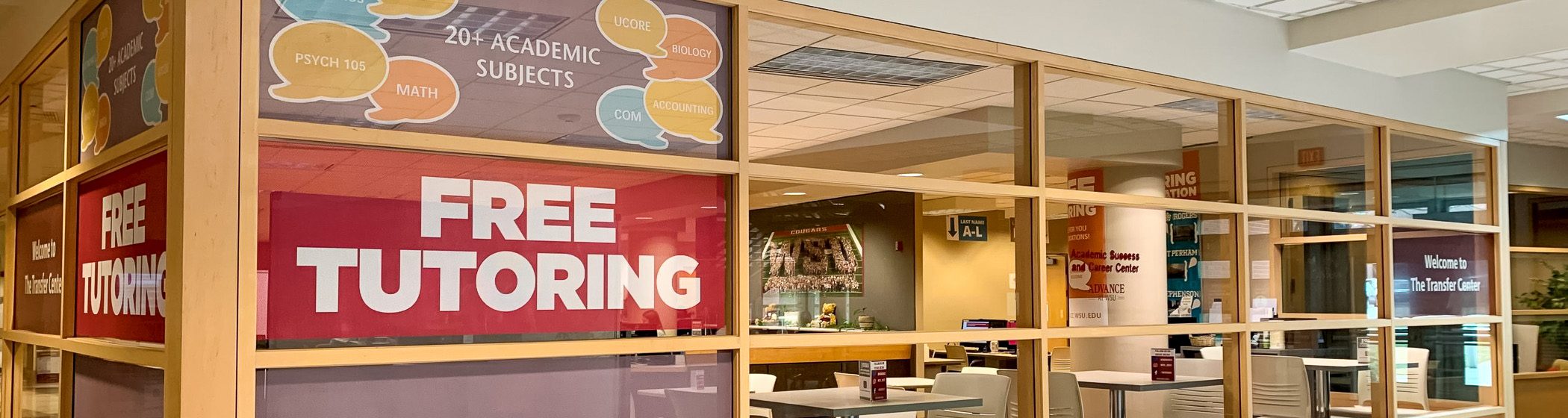
Academic Success & Career Center
•Academic and Career Advising
•Academic Deficiency and Reinstatement
•CougLink
•Peer Tutoring, and a diverse variety of workshops